
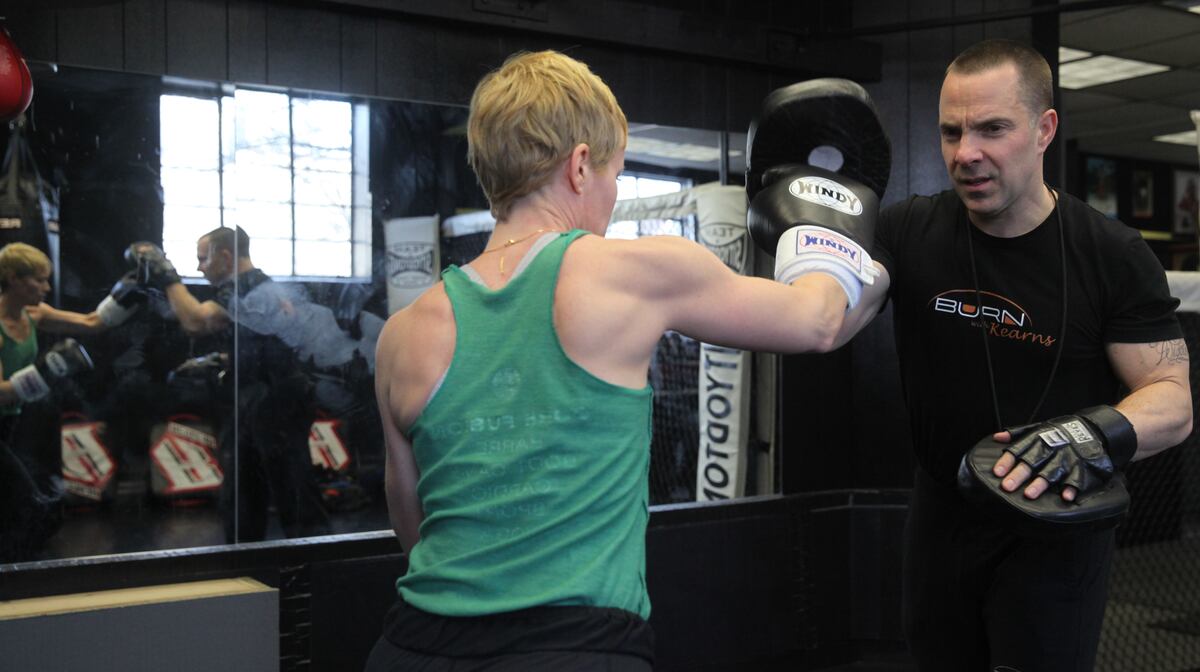
Hustle Muscle vs Sustainable Strength: Train Smarter
When “Harder” Stops Working
We’ve all heard it before: push harder, grind more, don’t skip, no excuses.
In today’s fitness culture, hustle is often celebrated like a badge of honor. More workouts. More sweat. More pain. Less rest.
But here’s the uncomfortable truth most people eventually discover the hard way: constant hustle doesn’t always build strength — sometimes it breaks it.
If you’ve ever felt exhausted despite training “right,” stalled despite working harder, or injured while doing everything you were told to do, this article is for you. True strength isn’t built by forcing your body into submission — it’s built by understanding how it adapts, recovers, and evolves.
Let’s talk about the real cost of hustle muscle — and what sustainable strength actually looks like.

What “Hustle Muscle” Really Means
Hustle muscle is the mindset that says:
Train harder no matter how you feel
Ignore fatigue, soreness, and stress
Rest is weakness
Progress only comes from suffering
While discipline absolutely matters, this mindset ignores basic human biology.
Your body doesn’t grow stronger during workouts — it grows stronger during recovery. Without enough recovery, intense training becomes a stressor instead of a stimulus.
The Science Your Body Can’t Ignore
When training volume and intensity stay high without adequate recovery:
Cortisol (the stress hormone) remains elevated
Muscle repair and adaptation slow down
The nervous system becomes fatigued
Injury risk increases
Motivation and consistency decline
Research consistently shows that overtraining reduces performance, weakens immune function, and increases the likelihood of chronic pain and burnout — especially for adults balancing work, family, and everyday life stress.
More effort does not automatically mean better results.
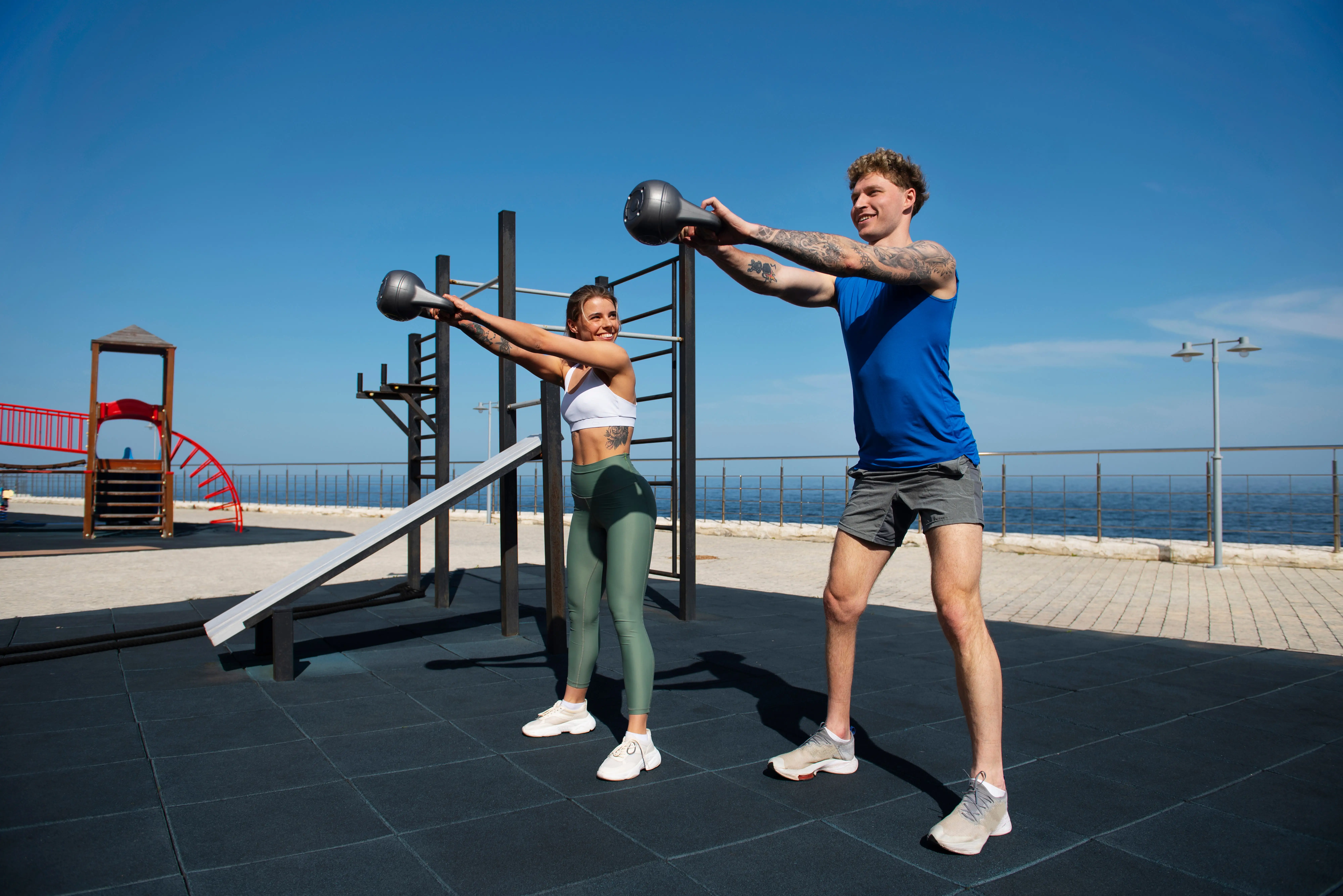
When Working Harder Backfires
Imagine a motivated 40-year-old professional who trains six days a week.
Strength workouts. HIIT sessions. Long cardio. Minimal rest.
On paper, it looks disciplined and impressive.
In reality:
Chronic tightness becomes “normal”
Sleep quality declines
Joint pain lingers
Progress stalls
Once training volume was reduced, recovery was prioritized, and movement quality replaced constant intensity, something interesting happened:
Strength improved
Pain decreased
Energy returned
Body composition improved
The takeaway is simple but powerful: consistency beats intensity, and recovery unlocks progress.
How to Train Without Burning Out

1. Redefine Discipline
Discipline isn’t forcing workouts when your body is depleted.
True discipline is showing up intelligently — adjusting intensity, honoring recovery, and training with intention.
2. Cycle Your Effort
Not every workout needs to be max effort.
Rotate between:
Higher-intensity strength days
Moderate, technique-focused sessions
Recovery or mobility-based days
This approach protects your nervous system and keeps joints resilient.
3. Train Movement, Not Ego
Shift your focus toward:
Control instead of speed
Stability instead of load
Quality instead of quantity
Strength that transfers to real life comes from coordination, balance, and awareness — not just muscle fatigue.
4. Treat Recovery as Training
Sleep, hydration, mobility work, breathwork, and stress management are not optional extras.
They are part of the training plan.
Strength That Lasts a Lifetime
Hustle muscle may look impressive in the short term, but it often leads to burnout, injury, or quitting altogether.
Real strength is quieter.
It’s sustainable.
It adapts.
It lasts.
When you stop chasing exhaustion and start training with awareness, your body responds with resilience, confidence, and longevity.
Train smart. Recover fully.
Let strength support your life — not compete with it.