
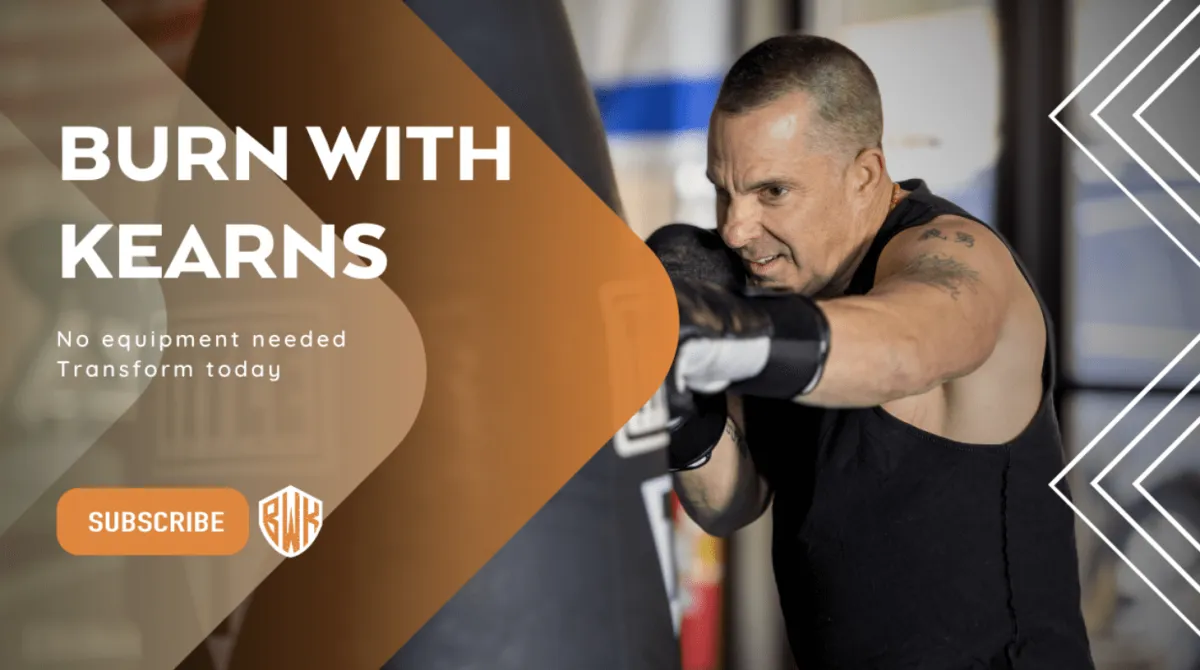
Why Muscle Size Doesn’t Equal Performance or Longevity — The Real Strength Formula
Strength vs. “Looking Strong”
Why Muscle Size Doesn’t Equal Performance — or Longevity
🧠 Central Idea
The article challenges the common fitness belief that bigger muscles automatically mean better strength or functional capability. Many people who look strong in the gym actually:
tire quickly in real movement
lose coordination as tasks get complex
have poor balance and control
are prone to preventable injuries
Martial arts and real-world movement make this disconnect obvious because they demand more than just muscle size.
💪 Two Types of Strength
1. Structural (Cosmetic) Strength
This is the type most people build in traditional gyms:
heavy machines
symmetrical lifts
single-muscle focus
controlled, predictable movements
It looks strong (hypertrophy) but doesn’t transfer well to complex physical tasks.
2. Functional (Transferable) Strength
Real strength shows up when:
balance is challenged
force flows across joints
movement happens in multiple planes
timing & coordination matter
This type depends on:
nervous system integration
joint stability
connective tissue health
smooth kinetic-chain sequencing
Martial arts inherently train this type of strength.
🥋 Why Martial Arts Reveal Real Strength
Movements like punches, throws, and kicks aren’t about one muscle contracting — they involve:
ground reaction force
unilateral and contralateral coordination
rotational acceleration & deceleration
People who only train for looks often leak energy through weak links, making movement inefficient and increasing injury risk — even if they look “strong.”
🧠 The Nervous System Matters Most
True strength isn’t just muscle power — it’s the nervous system’s ability to coordinate muscles together:
Functional strength improves:
motor unit synchronization
intermuscular coordination
timing & force control
reflexive stability
That’s why some smaller but well-trained martial artists can outperform larger athletes in real movement.
🔍 FIGURE 1: Cosmetic Strength vs Functional Strength
Description: A split diagram.
Left side: Isolated muscle activation (e.g., biceps curl on a machine) with minimal joint involvement.
Right side: Full kinetic chain activation (foot → hip → core → shoulder → hand) during a strike or throw.
Key takeaway: Functional strength distributes load across the entire system; cosmetic strength concentrates stress locally.
Unilateral & Contralateral Loading: The Missing Ingredient
Most real-world movements occur:
on one leg
while resisting rotation
with asymmetrical loads
Unilateral training (e.g., single-leg deadlifts, split squats) and contralateral loading (load opposite the working limb) force the body to:
stabilize through the core
coordinate across hemispheres
protect the spine and joints
These patterns closely mirror martial arts movement demands.
🔍 FIGURE 2: Bilateral vs Unilateral Force Transfer
Description: Side-by-side illustration.
Left: Bilateral squat — symmetrical load, minimal rotational demand.
Right: Single-leg hinge with offset load — visible activation through hip, obliques, and stabilizers.
Key takeaway: Unilateral loading exposes and corrects asymmetries that bilateral training hides.
Why This Matters More After 40
As we age:
reaction speed slows
stabilizer muscles weaken
connective tissue becomes less tolerant of abrupt load
compensatory patterns increase
This makes traditional “chase the numbers” lifting riskier and less effective.
Functional strength training:
distributes stress intelligently
improves joint centration
preserves coordination
reduces injury risk
For longevity-focused adults, this is not optional — it is foundational.
Burn with Kearns Perspective: Strength Must Transfer
Burn with Kearns training evolved in an environment where:
inefficiency is punished immediately
poor force transfer results in injury
strength must survive chaos
Therefore, programming prioritizes:
movement quality over load quantity
strength in multiple planes
anti-rotation and deceleration capacity
structural durability
The result is strength that shows up when it matters.
🔍 FIGURE 3: Force Leakage vs Force Transfer
Description: A human figure performing a punch.
Version A: Arrows showing force dissipating at the knee, hip, and spine.
Version B: Continuous arrows flowing cleanly from ground to fist.
Key takeaway: Functional training seals energy leaks, increasing performance and protecting joints.
The BioHack Takeaway
Strength that cannot be:
transferred
stabilized
repeated
decelerated
…is incomplete.
Martial arts training exposes this reality, and functional training corrects it.
In Part 2 , we’ll explore why explosiveness is a nervous-system skill, why it declines with age, and how to preserve it safely.
PS
JOIN our BURN WITH KEARNS Functional Fitness Tribe !
🔗 Learn more:
https://shop-bwkedge59.myshopify.com/
#longevity #biohackyourself #bwkauthenticedge59 #Nodadbod